 22°C |
Thursday October 29, 2026

29 October 2026
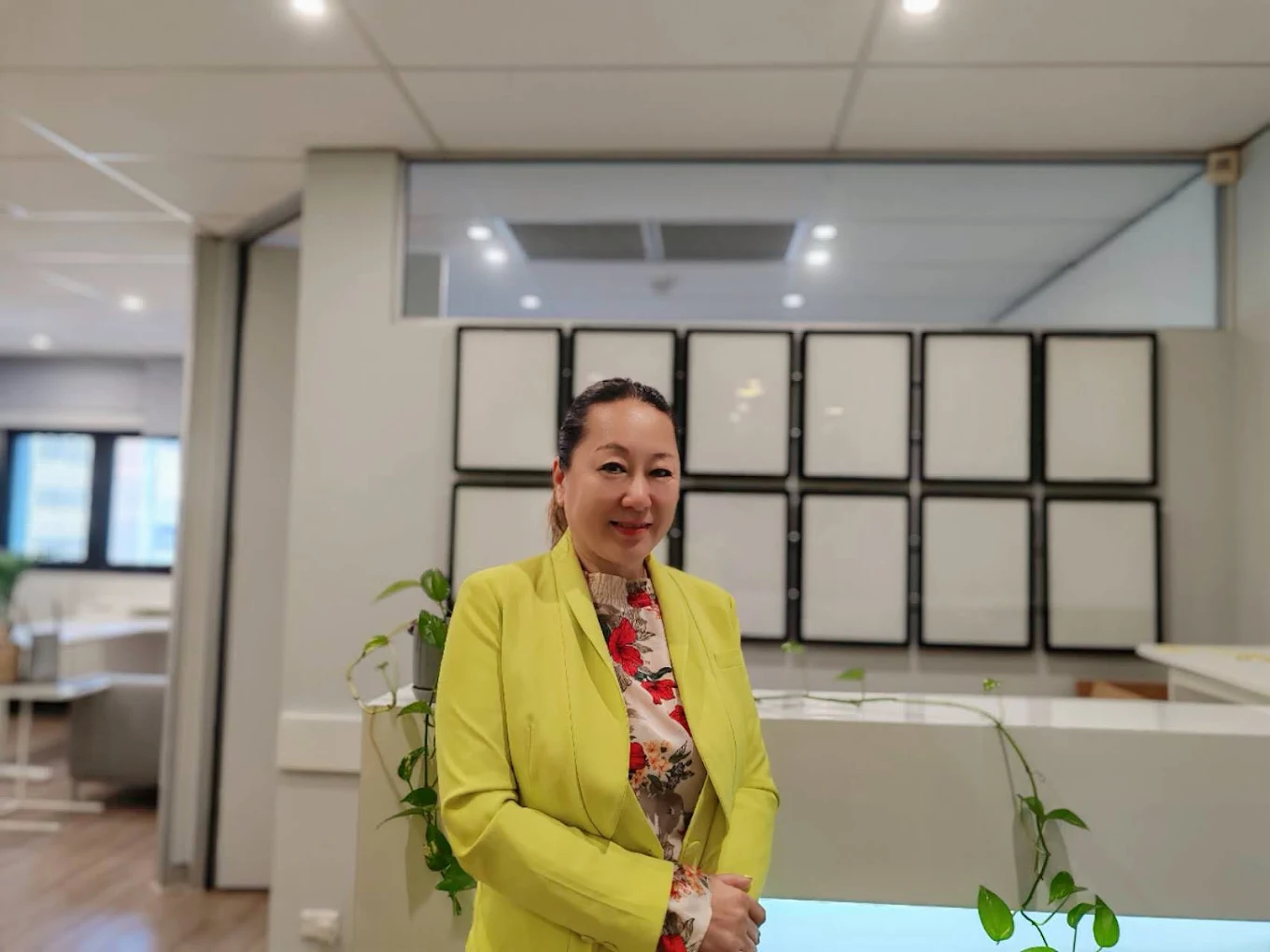
With more than two decades of experience in the Lower North Shore property market, Melinda Wong, founder and chief executive officer of Amazing Realty on Walker Street, has witnessed the area’s transformation firsthand.
From a quiet commercial district to a rapidly developing residential and business centre, Wong offers her perspective on how North Sydney has changed and where its property market is heading.
Wong’s real estate career spans 22 years, most of them spent working in the local area. She began in 2005 with Liang+Simmons on Alfred Street in Milsons Point, then the largest agency operating in the district. In 2006, she joined Raine & Horne North Sydney, spending 16 years building her career there before establishing Amazing Realty nearly three years ago.
“Real estate has always been quite interesting to me,” Wong said. “I love beautiful things to start with, and the Lower North Shore, it’s just beautiful. Even when you walk down the street, you will see the architecture, and it’s just such a leafy, natural area.”
Having lived in North Sydney as long as 35 years ago, Wong recalls a neighbourhood that bore little resemblance to today’s bustling precinct.
“North Sydney was a very business district,” she recalled. “Nighttime and weekend there was no one. Probably one coffee shop open or none. So I used to walk across the Harbour Bridge instead. I’d go across to Circular Quay and go to those cinemas, cafes and restaurants too. There was nothing in North Sydney before.”
The transformation over the past three decades has been substantial, accelerated by transport infrastructure investment and residential redevelopment.
“Now, it has changed so much North Sydney, especially the Metro,” Wong said. “When the Metro started, it’s an absolutely game changer… It brings people close to each other, which is the reason why it’s so busy for every business including real estate. And then there’s more restaurants, nice restaurants, fine dining, and there was none before.”
Residential developments have increasingly replaced commercial buildings and low-density housing across North Sydney. Wong points to Berry Street as an example, where she says only one original house remains near the top of the street, with surrounding properties redeveloped into modern apartment complexes.
The changing built environment has been accompanied by a shift in the area’s residential population.
According to Wong, affluent downsizers are an increasingly important part of the market for high-end apartments, with many moving from larger family homes elsewhere in Sydney to properties closer to the harbour.
“One particular group I found during our sales are people downsizing,” she explained. “They’ve sold their house in the Upper North Shore… or Western area, about the Hills area. They have a lot of cash and they move down and they pay for a really nice apartment.”
These buyers generally want spacious accommodation, particularly properties with room for visiting family members.
“Two bedroom, two bathrooms is the minimum for them… one bedroom for them to live in and the other one for the grandchildren to stay in.”
At the same time, Wong has observed some long-term retirees leaving North Sydney in search of quieter surroundings, with Queensland and regional areas among their destinations.
Young families continue to move into the area, often staying for eight to 10 years to take advantage of its public and private schools. Professional couples, meanwhile, typically rent for around four years before buying their first property, she said.
A quieter sales market
Wong believes uncertainty surrounding proposed changes to capital gains tax and negative gearing has made buyers and sellers more cautious, contributing to a slowdown in the local sales market.
“It’s definitely affected the prices,” she said. “The sales market, it’s a bit quiet at the moment… A lot of people like to hold their property for the moment because the price has dropped. So they just wait to see what’s going to happen.”
She said the uncertainty had contributed to fewer properties being listed for sale. While house values have remained relatively stable, supported by the value of land and proximity to the harbour, apartment prices have begun to soften.
Auction activity has also become more subdued, with fewer buyers competing aggressively for properties.
“You don’t get a huge crowd to fight over prices,” Wong said.
She believes many current sellers are motivated by necessity, including mortgage pressures or changes in personal circumstances, rather than a desire to capitalise on rising property values.
Renters reach their limits
Despite widespread reports of strong rental demand, Wong believes tenants are reaching the limits of what they can afford.
“The renting market is very, very interesting because the media everywhere said there’s a lot of demand… but the price actually hasn’t really gone up,” she said.
“The reason is because more and more people start having a very strict budget on their expenses… The living cost is going up so much. So people are becoming more realistic.”
Demand remains strongest for practical two-bedroom properties renting for less than $1,000 a week, particularly among professionals seeking space to work from home.
By contrast, properties asking between $1,000 and $2,000 a week have experienced a noticeable slowdown, according to Wong.
She advises landlords to consider the value of retaining reliable tenants rather than pursuing substantial rent increases.
“I’ve been advising my clients to be sensible when you increase rents because you might lose a very good tenant because of that.”