 20°C |
Thursday June 18, 2026
20°C |
Thursday June 18, 2026 
22 July 2025
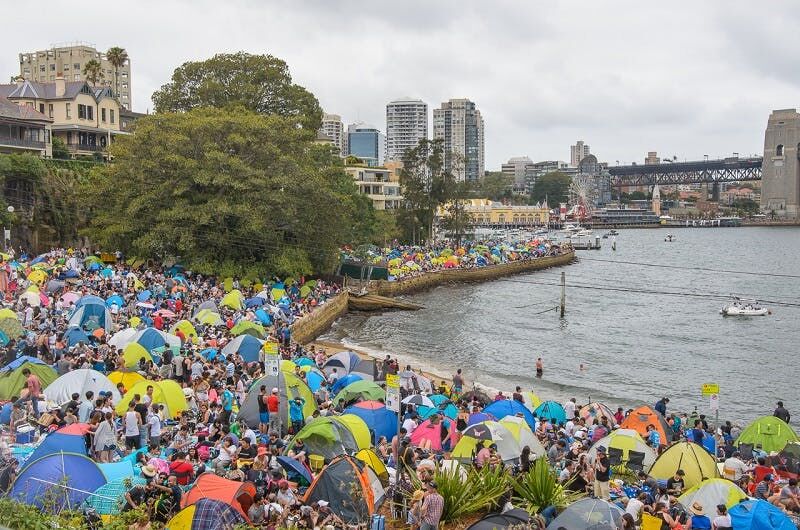
North Sydney Council is set to endorse a proposal to partially recoup its growing New Year’s Eve operational costs by introducing paid ticketed access to one of its most sought-after foreshore vantage points – Blues Point Reserve – for the 2025/26 event.
The Council’s 28 July meeting agenda recommends “Option 2” from a suite of NYE management models. This would involve ticketing only the Blues Point precinct, with access capped at 8,000 patrons and tickets priced at $50. The remaining two managed sites – Bradfield Park and Lavender Bay Parklands – would remain free-access but subject to crowd control measures.
According to the agenda report, the proposed Blues Point ticketing overlay would yield approximately $400,000 in gross revenue. After accounting for around $95,000 in associated ticketing costs – including staff, scanning infrastructure and communication outlays – this would leave a net contribution of $305,000 toward the total NYE operating budget, which currently stands at $1.086 million.
Council staff argue that the change would provide a more sustainable cost-sharing model without wholly commercialising the event or restricting public access across all sites. The proposal comes amid heightened infrastructure and safety requirements, including anti-terror measures and crowd control systems, that have pushed NYE event costs significantly higher in recent years.
The report notes that while Council has trialled ticketing at Blues Point previously – notably in 2018 – this new proposal differs by applying lessons learned from that experience. A survey conducted after the 2018 event showed that while local residents and businesses raised concerns over access restrictions and impacts on trade, a large majority of ticketholders reported satisfaction with the managed event, particularly regarding safety and views.
Under the new plan, ticketed access to Blues Point would include controlled entry from the night before, enhanced communications with nearby residents and businesses, and capacity for direct digital messaging to ticket holders. However, the Council acknowledges that ticketing introduces operational and reputational risks, including the potential for community dissatisfaction, fake ticket scams and access expectations from ticketholders arriving late.
Importantly, the report also notes that most other harbourfront landowners – including the City of Sydney, Botanic Gardens and Placemaking NSW – have reverted to free managed access after several years of either free or paid ticketing during the COVID-19 period.
Despite this trend, Council officers argue that North Sydney faces unique pressures as a high-demand viewing location for the fireworks, managing three key vantage points and shouldering significant infrastructure responsibilities. The proposed partial ticketing model aims to strike a balance between recovering some costs and maintaining broader community access.
The Council report indicates that community consultation will follow the endorsement of a ticketing direction, with a communications strategy to be developed for precinct committees, residents and businesses.
Should the ticketing model prove successful for 2025/26, Council may consider further changes in future years – including adjusting the ticket price, expanding ticketed zones or reverting to free access across all sites.